NGO Sector in BiH – Unrealised Potential
The latest analysis of the NGO sector in BiH from the Initiative for Better and Humane Inclusion (IBHI) reveals the main reasons behind the public distrust for NGOs in BiH and gives recommendations for the improvement of the situation within civil society
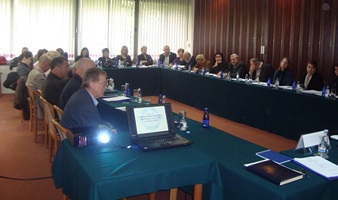
The qualitative analysis of the NGO sector in BiH „Why is NGO Potential Unrealised?“, published by the Initiative for Better and Humane Inclusion (IBHI), with support from the Open Society Institutions - Think Tank Fund (OSI – TTF) and the Balkan Trust for Democracy (BTD), was presented on 14th December 2012 at a press conference in Sarajevo.
The conference was opened by Žarko Papić, IBHI Director and research coordinator, who briefly presented IBHI’s work and the nature of research on which IBHI continually works.
Tijana Dmitrović, IBHI Researcher and co-author of the analysis, emphasized that poverty and social exclusion are the most significant factors endangering the values of civil society in BiH. Unfortunately, both NGOs and donors rarely recognize the real dimensions, depth and dynamics of deterioration of the social situation in BiH, and choose to focus their activities and funds on 'popular' topics, instead of fundamental reforms.
External factors (domestic and foreign donors’ policies, inadequate legislative framework, etc.) also had a significant role in creating the unfavourable situation within the NGO sector, but non-governmental organisations are also not immune to temptations such as non-transparent work and spending of funds, corruption, etc, emphasized Ms. Dmitrović.
Irregularities are present at all sides, and the existence of political influences within the NGO sector remains an ‘open secret’. „Regulating the priorities of civil society and donors by advocating more transparency and effectiveness of NGOs, as well as standardisation of allocating and spending funds, is up to the non-governmental organisations. Only then will the NGO sector in Bosnia and Herzegovina be able to live up to its role as both the counterpart and partner of governments”, concluded Ms. Dmitrović.
These are the main subjects of the qualitative analysis of the NGO sector in BiH „Why is NGO Potential Unrealised?“ The purpose of the analysis is to start a discussion about the flaws, problems and possibilities of civil society in BiH. Recommendations, which are listed at the end of the document, are focused primarily on introducing changes into the work of the NGO sector, but also on specific policy changes referring to the work of the non-governmental sector in BiH. The complete analysis is available in the Publications section of our website.